


HOW TO BUILD MONEY CONFIDENCE AT ANY AGE


Money decisions can feel intimidating, especially when you are still learning how saving, spending, budgeting, and investing work. You may worry about making the wrong choice, losing money, or not understanding financial terms. The good news is that no one is born knowing how to manage money. Money confidence is something every student can develop through learning, practice, and experience.
What Is Money Confidence?
Money confidence is the belief that you can understand financial information and make thoughtful decisions with your money. It does not mean knowing every answer, never making a mistake, or having a lot of money. It means feeling capable of asking questions, considering your options, and choosing what supports your goals.
There is a strong connection between money and confidence. When you understand where your money goes and why you make certain choices, you are less likely to feel confused or powerless. You begin to see money as a tool you can learn to manage instead of something that controls you.
Confidence grows through action. Reading about budgeting can teach you the basics, but creating and following your own budget helps you trust your ability to use those skills. The more you practice, the more familiar money decisions become.
Why Building Money Confidence Matters
Students who begin building money confidence early have more time to practice before facing larger financial responsibilities. Small decisions today can prepare you for future choices involving a bank account, first paycheck, college expenses, credit card, car, apartment, or investment account.
Money confidence can also help you resist pressure. Advertisements, friends, and social media may encourage you to buy things immediately or spend money to fit in. When you know your priorities, you can pause and decide whether a purchase is truly right for you.
Being confident does not guarantee that every decision will be perfect. Instead, it helps you recover when something goes wrong. If you overspend, miss a savings goal, or buy something you regret, you can review what happened, adjust your plan, and make a different choice next time.
Start With One Clear Money Goal
A goal gives your money a purpose. Your goal might be buying a game, attending an event, starting a business, building an emergency fund, paying for college, or investing for the future. Choose something meaningful to you and determine how much it will cost.
Next, break the total into smaller steps. If you want to save $120 in six months, you could aim to save $20 each month. A large goal may seem overwhelming, but smaller targets make your progress easier to see.
Write down your goal and track every contribution. Watching the amount grow provides evidence that your choices are working. That progress is one of the most effective ways to strengthen money confidence.
Practice Making a Simple Budget
A budget is a plan for how you will use your money. Begin by listing any money you receive, including an allowance, gifts, earnings, or job income. Then decide how much you will spend, save, give, or invest.
Your budget does not need to be complicated. You can use a notebook, spreadsheet, budgeting app, or labeled envelopes. The best system is one you understand and will use consistently.
Check your budget regularly instead of waiting until your money is gone. If your plan is not working, change it. A budget is not a punishment; it is a guide that helps you decide what matters most.
Pause Before You Spend
Confident money decisions are rarely rushed. Before making a purchase, ask yourself:
Do I need this, or do I simply want it right now?
Can I afford it without taking money away from an important goal?
Will I still feel good about this purchase tomorrow?
Is there a better price or another option?
For nonessential purchases, try waiting at least 24 hours. The excitement may fade, helping you decide whether the item is worth the cost. Choosing not to buy something is not missing out—it can be a confident decision to protect a goal that matters more.
Learn From Mistakes Without Shame
Everyone makes money mistakes, including adults and financial professionals. You may spend too much, forget about a subscription, lose money on an investment, or fail to compare prices. Mistakes become useful when you learn from them.
Instead of saying, “I am bad with money,” ask, “What can this teach me?” Review the choice, identify what influenced it, and decide what you will do differently. Perhaps you need a spending limit, a reminder, more research, or help from a trusted adult.
Negative labels can damage the relationship between money and confidence. One poor decision does not define your financial future. Your next decision is another chance to improve.

Ask Questions and Keep Learning
Financial words can sound complicated, but you do not have to pretend you understand them. Ask a parent, teacher, counselor, or another trusted adult for an explanation. Use reliable educational resources to learn about saving, credit, taxes, investing, and other topics one step at a time.
Before using a financial product or making an investment, understand how it works, what it costs, and what risks are involved. Confident people do not rush because others seem certain. They gather information and make decisions based on their own goals.
Celebrate Progress, Not Perfection
Avoid comparing your progress with someone else's. Families have different incomes, expenses, responsibilities, and opportunities. Focus on what you can control: what you learn, how you plan, and the decisions you make with the resources available to you.
Real money confidence comes from knowing that you can keep learning. You do not need to have everything figured out today. Start with one goal, make a simple plan, practice regularly, and adjust when needed. Every thoughtful decision helps you become more prepared, independent, and confident about your financial future.
How KidVestors Helps Build Money Confidence
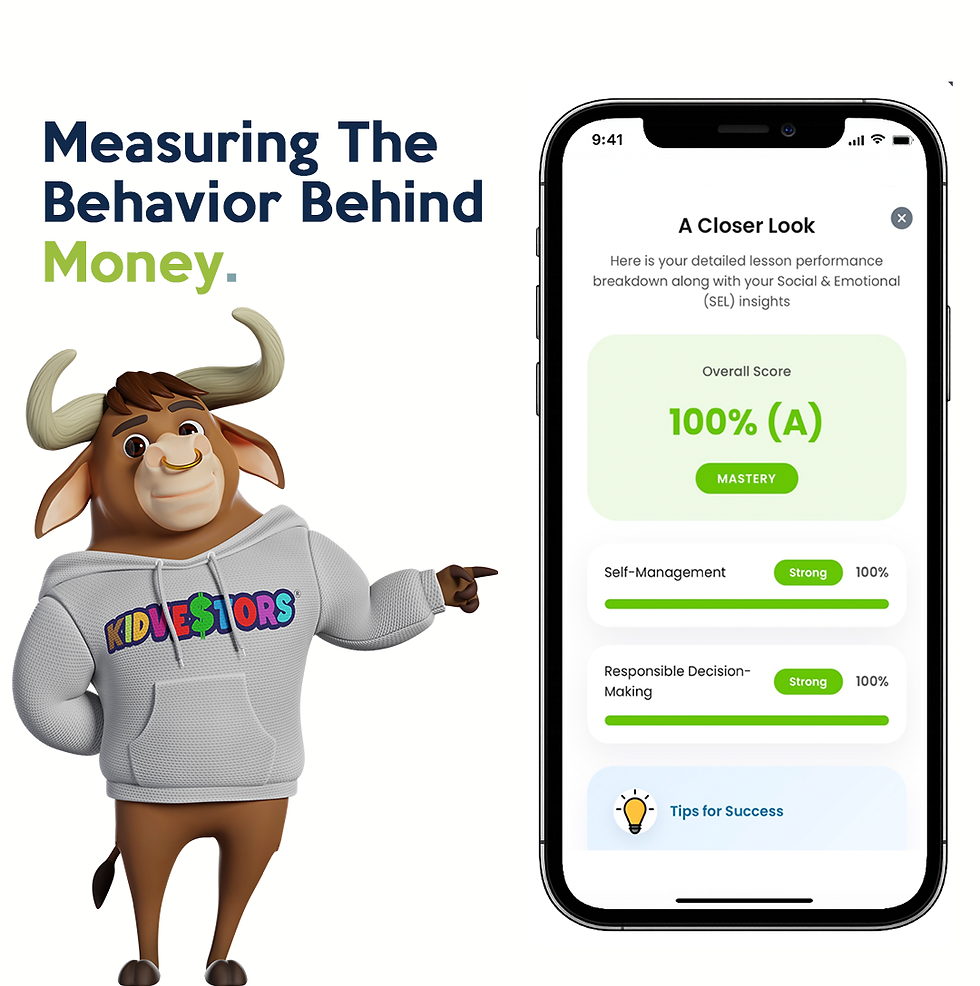
KidVestors helps elementary, middle, and high school students build money confidence through engaging, grade-appropriate lessons and real-world financial activities. Students learn essential concepts such as budgeting, saving, credit, investing, real estate, entrepreneurship, and economics while practicing how to make informed decisions. Interactive simulations allow them to apply what they learn, and the Earn While You Learn experience rewards their progress with KV Bucks that can lead to real cash or stock rewards. By making financial education practical, relevant, and fun, KidVestors helps students connect money and confidence, strengthen responsible habits, and feel better prepared to manage their financial futures.
Ready to see what KidVestors can do?


Comments